🌿 Indian Soils
Find your soil type
Tap a tile that looks like the soil in your field. Each page covers what it looks like, what grows well, what to watch for, and what your local KVK or ICAR institute recommends. Sourced only from ICAR, NBSS&LUP, SAU, KVK, and ICRISAT — no UPSC notes, no commercial sites.
Loading soil types…
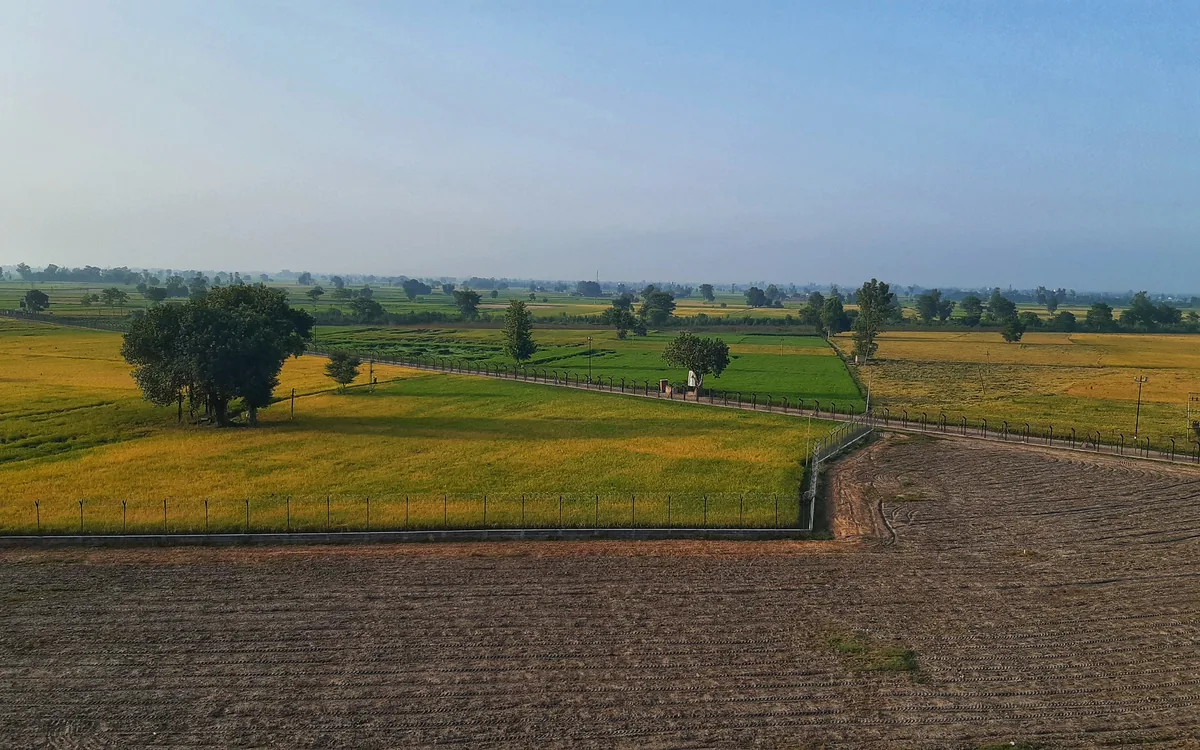
🟫
Alluvial Soil
India's most productive soil — fed by mountain rivers and re-laid every flood.
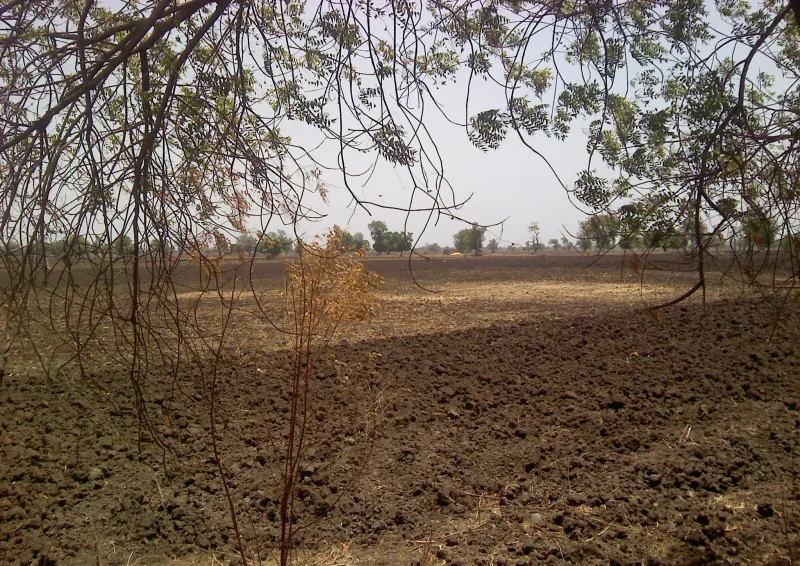
⚫
Black Soil
Sticky in monsoon, cracked in summer — and one of India's most fertile soils.
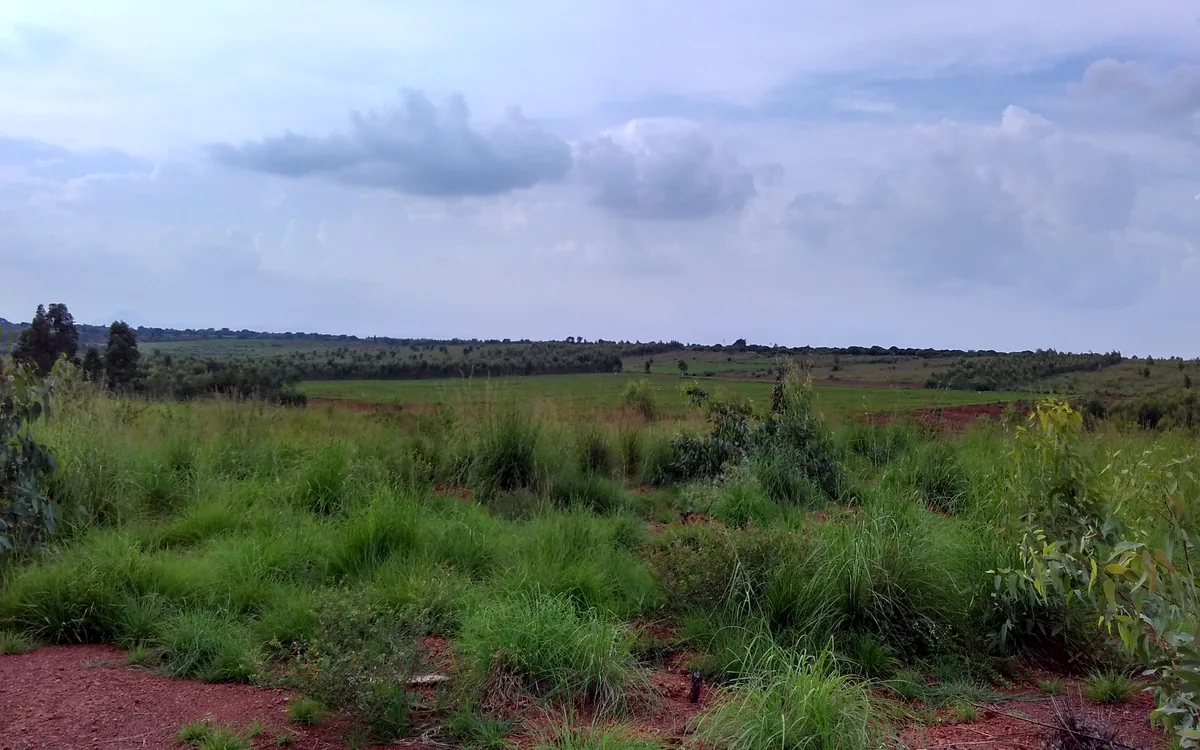
🟥
Red & Yellow Soil
India's gardener soil — gentle on the hand, hungry for water, generous to the right crop.
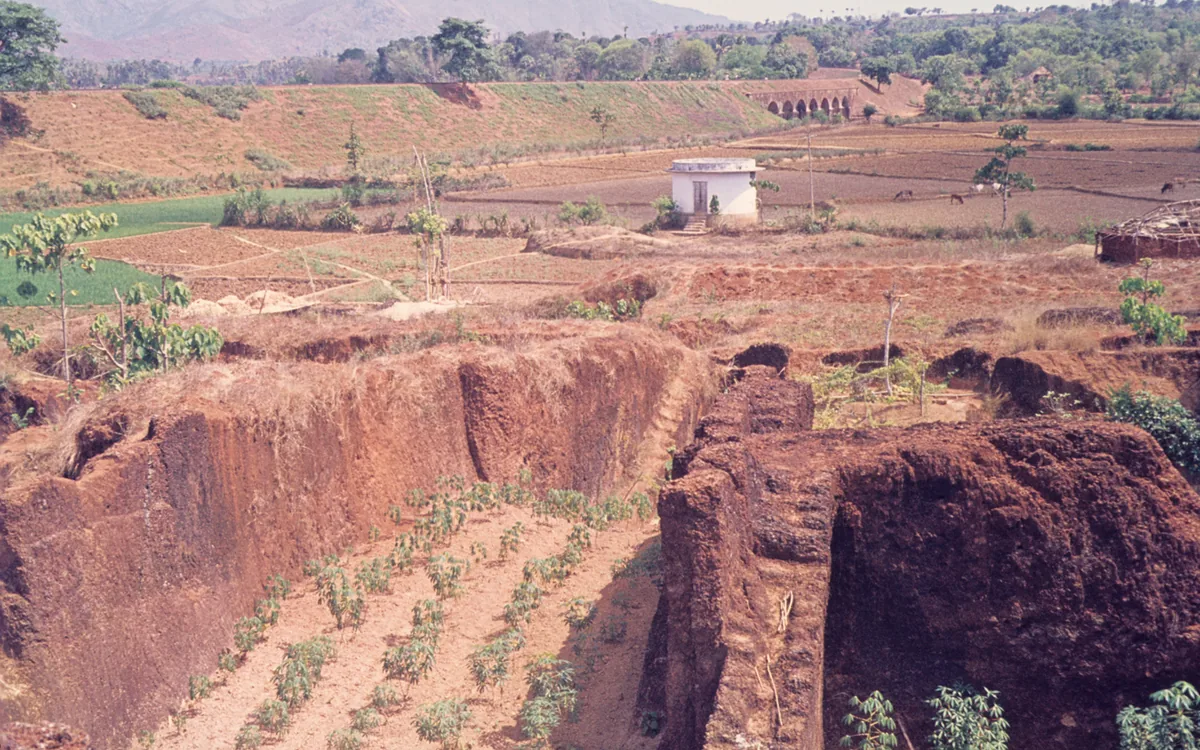
🟧
Laterite Soil
Iron-rich, rain-washed — the soil that built the Konkan, Malabar, and the eastern hills.
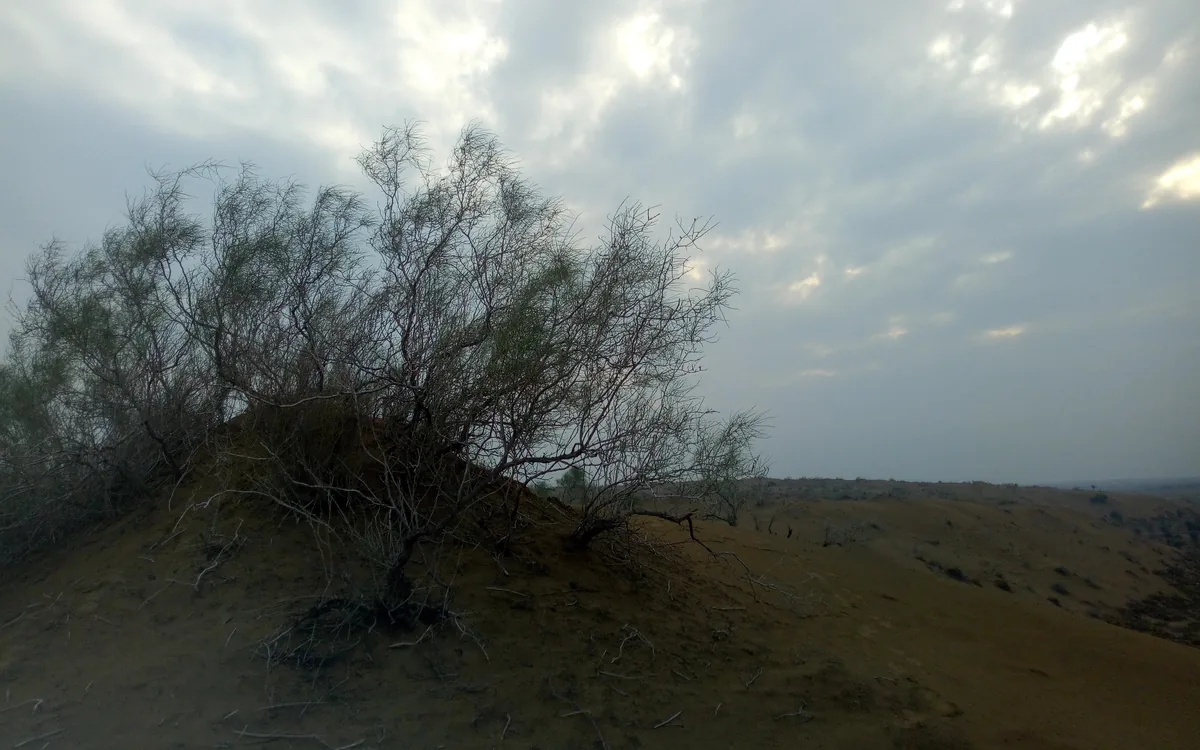
🏜️
Arid / Desert Soil
Light, dry, and patient — the soil that taught Indian farmers what scarcity means.
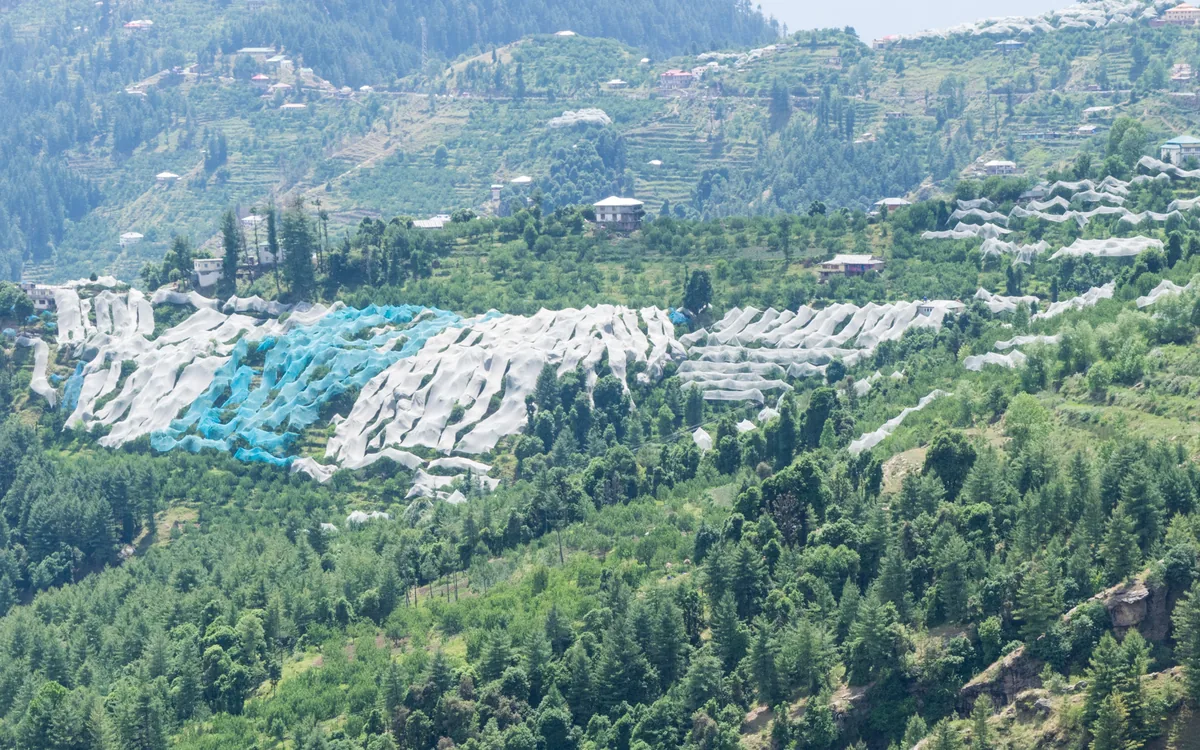
🌲
Forest & Mountain Soil
Steep, humus-rich, and easily lost — the soil that holds the hills together.
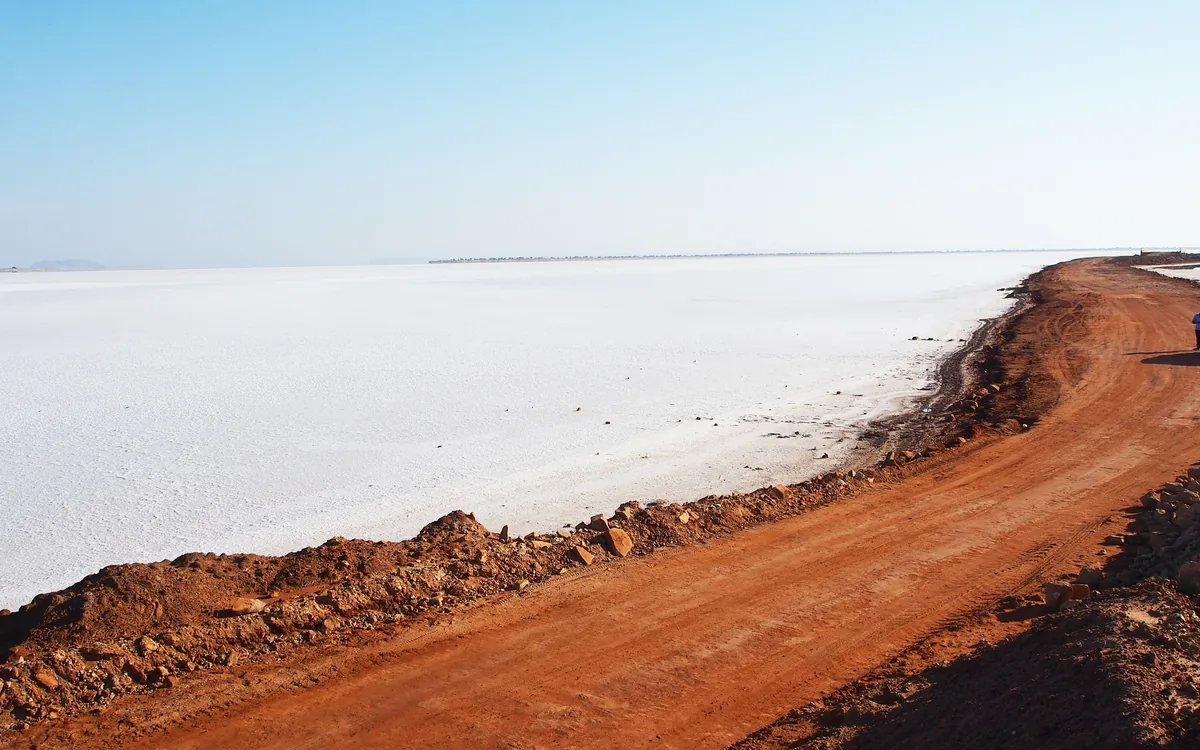
🧂
Saline & Alkaline Soil
Salt-marked but not lost — every usar field has a path back to crops, given time and care.
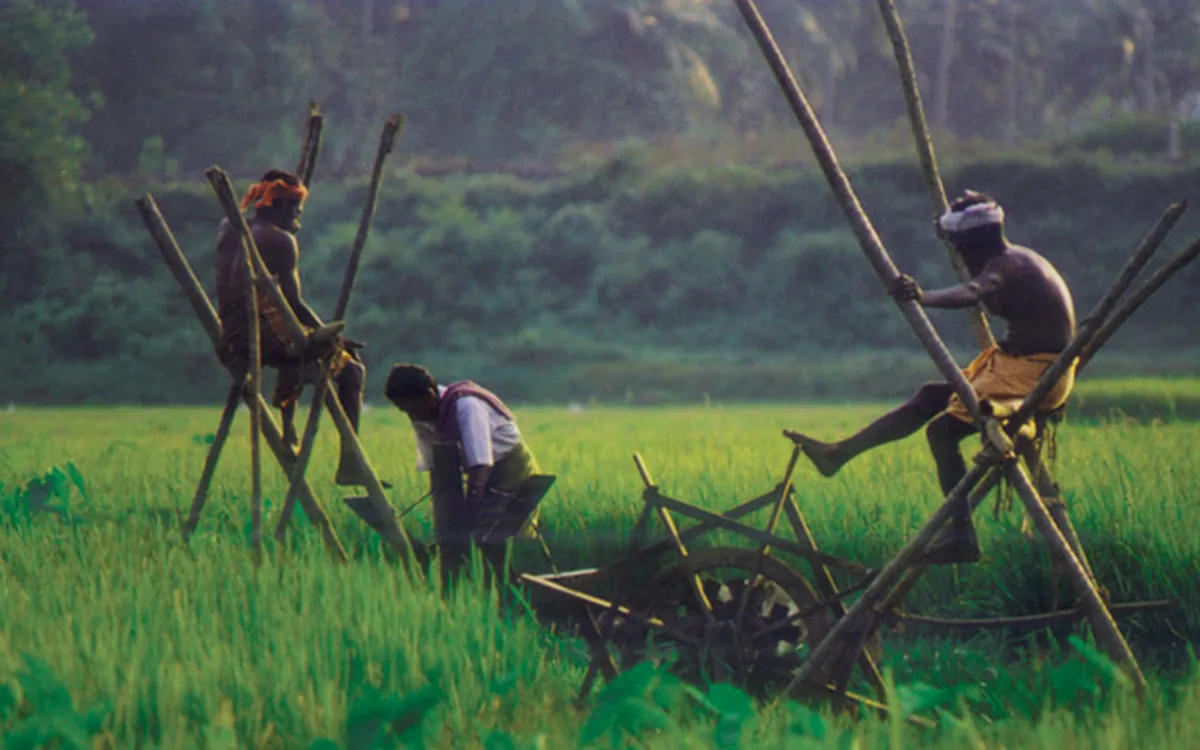
🟢
Peaty & Marshy Soil
Half-water, half-soil — the dark, ancient peat under Kuttanad and the Sundarbans.
🌱
Soil pages are loading
If this message stays, please refresh in a moment.
Don't guess. Know.
The most important thing you can do for your soil today is get it tested. The ICAR Soil Health Card scheme provides free or subsidised testing across India.
A note — Pages here are educational guides built from public ICAR, PJTSAU, ANGRAU, TNAU, ICRISAT, and KVK extension materials. They are not a prescription. Your soil is unique. For specific fertilizer or amendment decisions, get your soil tested and consult your nearest KVK or local agriculture extension officer.